Subscribe:

Pages

Showing posts with label Stroke. Show all posts

Monday, August 13, 2012

How To Prevent And Reduce The Risk Of Stroke


Natural cycle in humans is the normal work during the day, then sleep at night. But the job demands it sometimes makes the cycle must be reversed, leading to adverse effects on health. How do I fix this? Various studies have shown that often stay up all night because they have to work to increase the risks of chronic diseases, from obesity, cancer to heart disease. Not to mention the short-term risks, which include sleep disorders.
Recent studies in the British Medical Journal showed that even frequent night work can increase the risk of coronary heart disease by 24 percent. In addition, the risk of stroke also increased by 23 percent and the risk of stroke rose 5 percent. To prevent or reduce the risk, at least there are four ways you can do the following:

Sunday, July 22, 2012

Foods That Should Be Avoided If You Do Not Want A Stroke


Disease most commonly affects humans all of a sudden now it's a stroke. The more people who become victims. The disease is indeed come suddenly, but, it does not mean can not be prevented. Once you know the symptoms of stroke, you also need to know what foods may trigger symptoms of the disease.

Wednesday, July 4, 2012

Should Do When Exposed To A Mild Stroke


Mild stroke or transient ischemic attack caused by blockage of transient (temporary) brain artery by a blood clot, which usually lasts less than an hour. This attack is often a sign of impending real stroke (stroke), resulting in a prolonged interruption of blood flow to brain tissue is permanently damaged. Mild stroke is a signal that urgent care is needed to prevent an actual stroke. Preventive measures that should be done seriously.
• Monitoring of blood pressure.
Blood pressure should be completely monitored and not exceed 140/90 mmHg in the absence of other risk factors. If necessary, prescribed antihypertensive therapy and its effectiveness monitored by measurement of blood pressure self-contained (you measure your own blood pressure regularly at home).

Wednesday, June 20, 2012

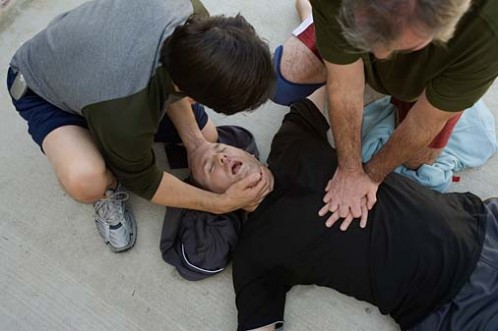
First aid In Stroke Patients


Stroke is a deadly disease if not immediately dealt with quickly and appropriately. Both the heart and stroke patients, for his help about the same. The Following First Aid In Stroke Patients :
• Reassure the patient and yourself. Do not panic.
• Do not leave the patient alone.

Friday, June 15, 2012

Some Meansures To Prevent Stroke


Stroke is the sudden onset of a brain attack caused by blockage or rupture of blood vessels of the brain. Stroke is the single most serious health problem in modern life today. To avoid a stroke a person can take precautions, including getting used to live a healthy lifestyle.

Thursday, June 14, 2012

The Signs Of The Emergence Of a Stroke


Each person should obtain a clear and convincing that the stroke is a brain attack which simply has five major signs that must be understood and very understandable. It is important that all people have a high vigilance against the danger of a stroke
Here are the signs of stroke

Monday, June 11, 2012

How To Prevent Stroke In Women


Women have a greater risk for stroke than men, but with simple measures, such risks can be reduced. You may have long known that stroke risk can be reduced by stopping smoking, limiting alcohol intake, eating more fruits and vegetables, maintaining body weight, blood pressure and blood sugar.

How to Deal With Heatstroke


If you are experiencing a rise in body temperature that is high enough to make the body feel very hot, maybe you're experiencing heatstroke. Heatstroke is a condition in which body temperature can reach over 40 ° C or more. Heatstroke can be caused by the increase in environmental temperature, or high activity that can increase body temperature.
Common symptoms of heatstroke attack marks such as: nausea, seizures, confusion, disorientation, and sometimes loss of consciousness or coma. This heat can lead to deadly complications or causes damage to the brain and other internal organs.